The year AD 500 was a leap year starting on a Saturday in the Julian calendar. It holds historical significance as the approximate starting point of the Middle Ages in Europe following the decline of the Western Roman Empire.
Around this time, various pivotal events unfolded globally. In Britannia, the legendary Battle of Mons Badonicus—which may have influenced the King Arthur mythos—likely occurred, halting the Anglo-Saxon advance. In mainland Europe, the Frankish Kingdom was beginning to form under King Clovis I, who subdued the Burgundians. The Byzantine Empire, under Emperor Anastasius I, secured its eastern borders by settling nomad tribes in northern Arabia in exchange for military defense.
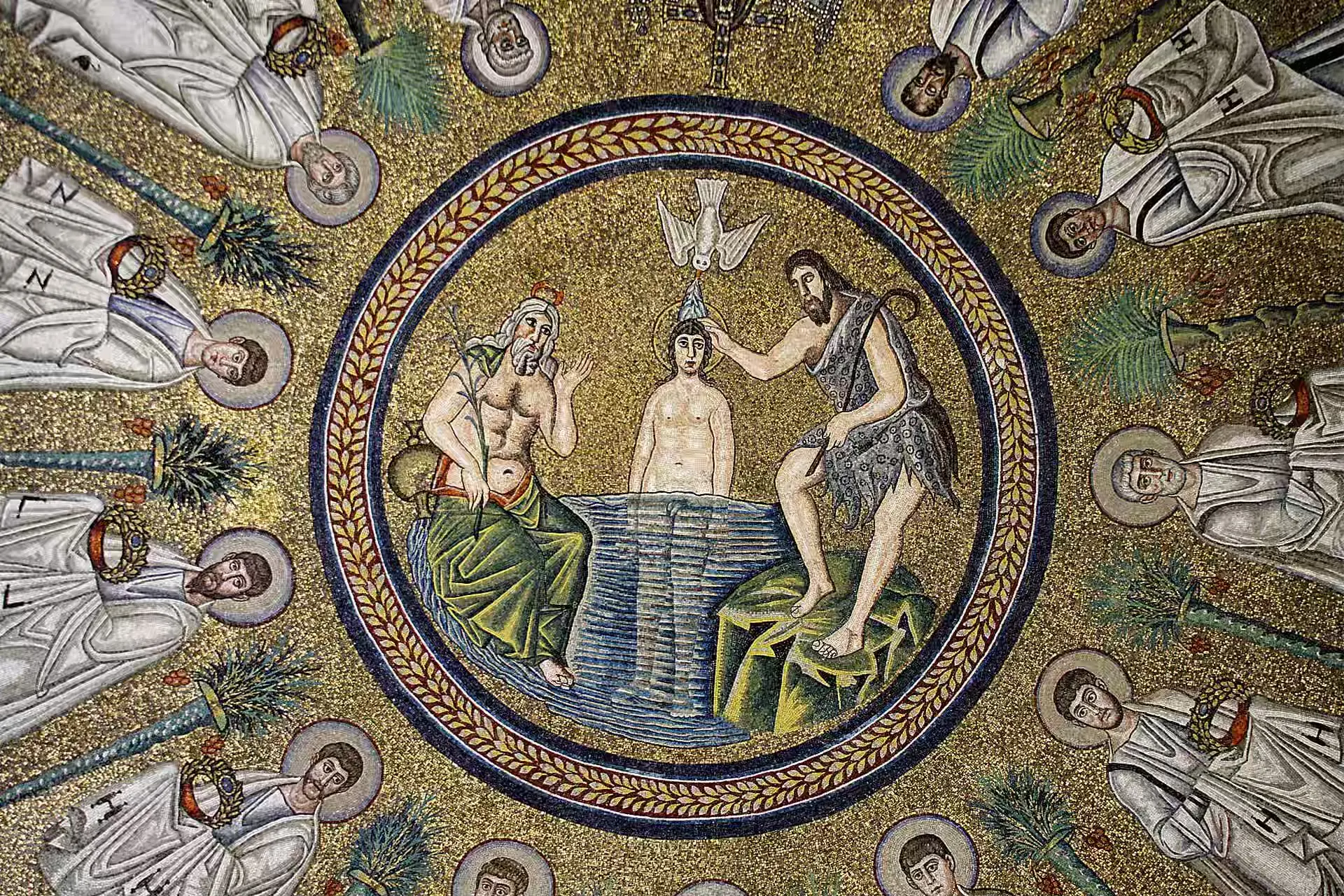
Further afield, the Mesoamerican cities of Tikal and Uxmal were founded, and early pit house villages emerged in North America’s Chaco Canyon. Religious landmarks included the construction of the Arian Baptistry in Ravenna by Theodoric the Great. The year also saw the birth of influential figures like Byzantine historian Procopius and General Belisarius.
Importance
The year AD 500 is historically important as a symbolic temporal marker for the transition from Classical Antiquity to the Early Middle Ages. It represents a period of profound transformation: the reshaping of European borders by Germanic kingdoms, the solidifying of the Byzantine Empire's foundations, and the continuous development of complex societies in the Americas.