The year 622 CE is a monumental year in world history, primarily recognized for the Hijra—the pivotal emigration of the Islamic prophet Muhammad from Mecca to Yathrib, a city he later renamed Medina.
According to historical records, after receiving divine command, Muhammad secretly departed his home in Mecca alongside his close companion Abu Bakr to escape growing persecution. The exact start date of this journey is historically cited as either June 17 or September 9, 622. Before heading directly to Yathrib, Muhammad and Abu Bakr sought refuge in the Cave of Thawr, located south of Mecca, where they hid for three days to evade their pursuers.
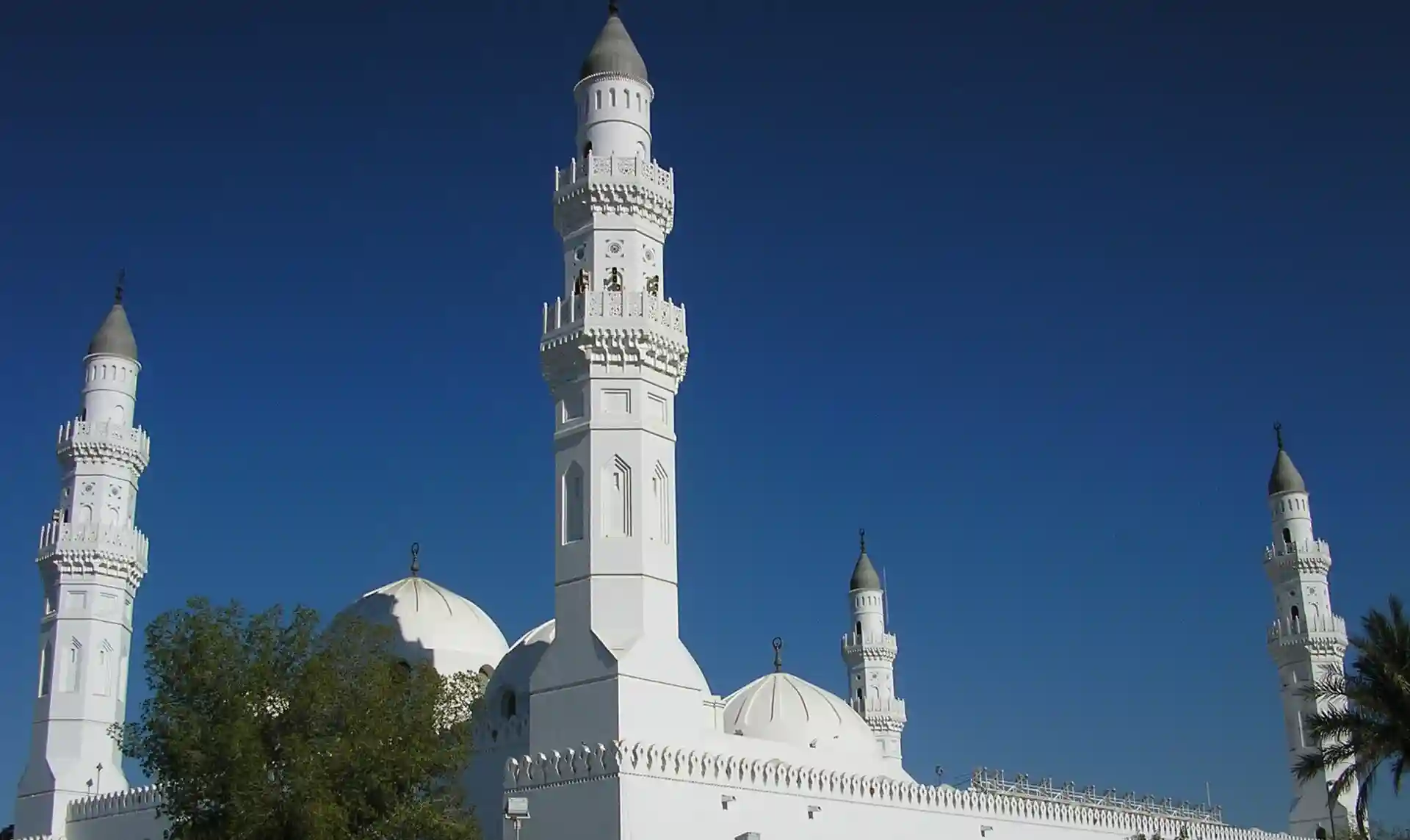
Resuming their journey, they did not immediately enter the heart of Yathrib. Instead, they stopped at the city's outskirts in Quba around late June or September. During this brief stay, Muhammad established the Quba Mosque, which is widely celebrated as the very first mosque in the history of Islam.
After roughly two weeks in Quba, Muhammad made his final move into Yathrib in mid-July or early October. He was cordially welcomed by the city's inhabitants. It was here that he laid the political and social foundations for a new society by drafting the Constitution of Medina. This landmark agreement united the various Muslim, Jewish, Christian, and pagan tribal communities into a single, multi-religious Islamic state. During this foundational period, he also initiated the construction of Al-Masjid an-Nabawi (The Prophet's Mosque).
The profound significance of the Hijra transcends the immediate events of 622. The migration not only protected the early Muslim community but also marked the birth of an organized Islamic society. Recognizing its unparalleled importance, Caliph Umar decreed in 638 CE that the lunar year of this emigration would serve as "Year One" of the Islamic calendar (AH), forever immortalizing the events of 622.