In 312 BC, the Roman Republic embarked on infrastructural projects that would fundamentally alter the course of its history and the landscape of the Italian peninsula. Under the direction of the censor Appius Claudius Caecus, the construction of the Appian Way (Via Appia) and the Aqua Appia began.
The Appian Way was a marvel of ancient engineering. Stretching initially from Rome to Capua, it was designed primarily for military purposes, allowing the rapid deployment of Roman legions to the southern regions of Italy. It was built with tightly fitting interlocking stones layered over a foundation of gravel and mortar, ensuring it would survive for millennia.
The First Aqueduct
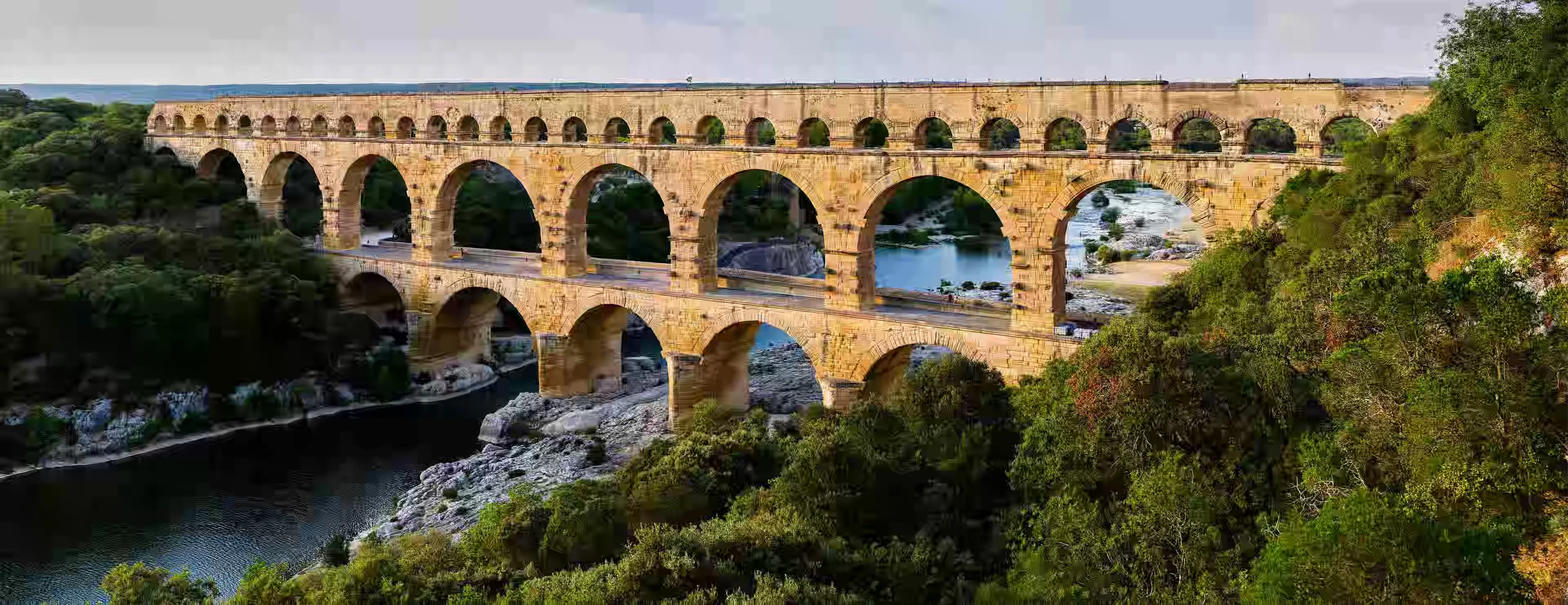
Simultaneously, the Aqua Appia was constructed as the very first Roman aqueduct. Running mostly underground for over 16 kilometers, it brought a steady supply of fresh water into the bustling heart of Rome. This reliable water source was essential for the growing population and set the precedent for the massive, iconic arched aqueducts that would later define Roman architecture.
These two massive public works signaled a shift in Rome's ambition. They were no longer just a regional power; they were laying the permanent, physical groundwork to become the undisputed rulers of the Mediterranean.