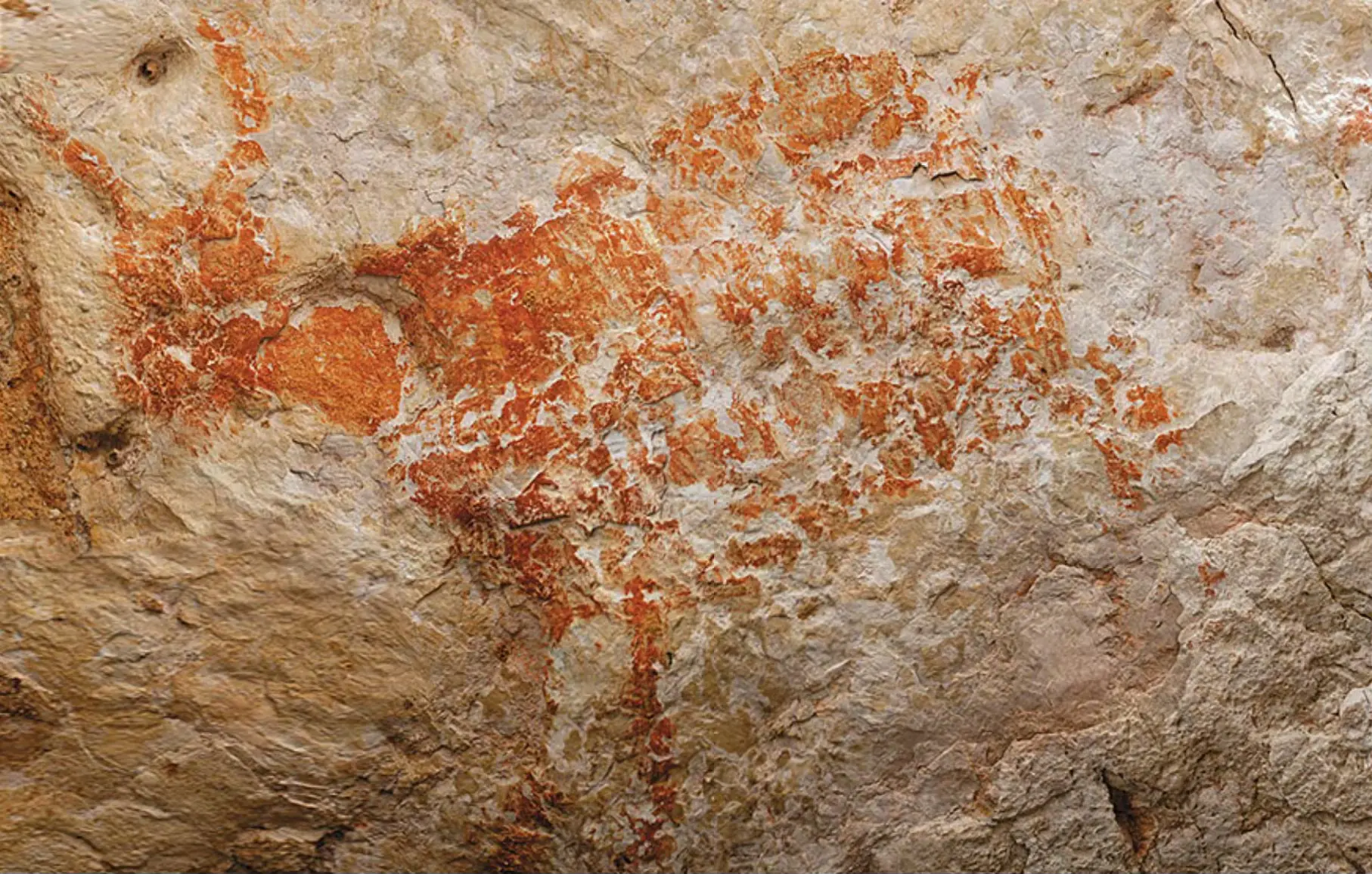
The Paleolithic, or Old Stone Age, is a vast period in human prehistory defined by the original development of stone tools. Representing almost the entirety of human technological history, it spans from the first known use of stone tools by early hominins roughly 3.3 million years ago to the end of the Pleistocene epoch, approximately 11,650 years ago.
During this era, humans lived in small, nomadic hunter-gatherer bands. Their survival depended on a close relationship with nature, subsisting by foraging for wild plants, scavenging, fishing, and hunting. The epoch is characterized by the steady evolution of tool-making, progressing from the simple stone choppers of the Oldowan industry to the more complex hand axes of the Acheulean, and eventually to the highly refined blades, bone tools, and projectiles of the Upper Paleolithic.
The Paleolithic also charts the biological and geographic expansion of our ancestors. Early hominins like Homo habilis and Homo erectus originated in Africa before gradually migrating into Eurasia. By the Middle and Upper Paleolithic, anatomically modern humans (Homo sapiens) had emerged and spread across the globe, eventually reaching Australia and the Americas. Alongside biological evolution came profound behavioral shifts. Early humans mastered the use of fire, adapted to fluctuating ice age climates, and developed complex cultural traits. The later stages of the period witnessed the birth of human creativity and spirituality, evidenced by the earliest cave paintings, carved figurines, and ritualistic burials.
Importance for humanity
The Paleolithic era is the foundational bedrock of human existence. It was during this immense span of time that we developed the core physical, cognitive, and social traits that define our species today. By mastering fire, inventing the first tools, and establishing social cooperation, Paleolithic humans overcame extraordinary environmental challenges. Their global migrations ensured the adaptability and resilience of the human race. Furthermore, their capacity for abstract thought, early art, and spiritual beliefs planted the seeds of human culture, ultimately setting the stage for the agricultural revolution and the rise of modern civilization.