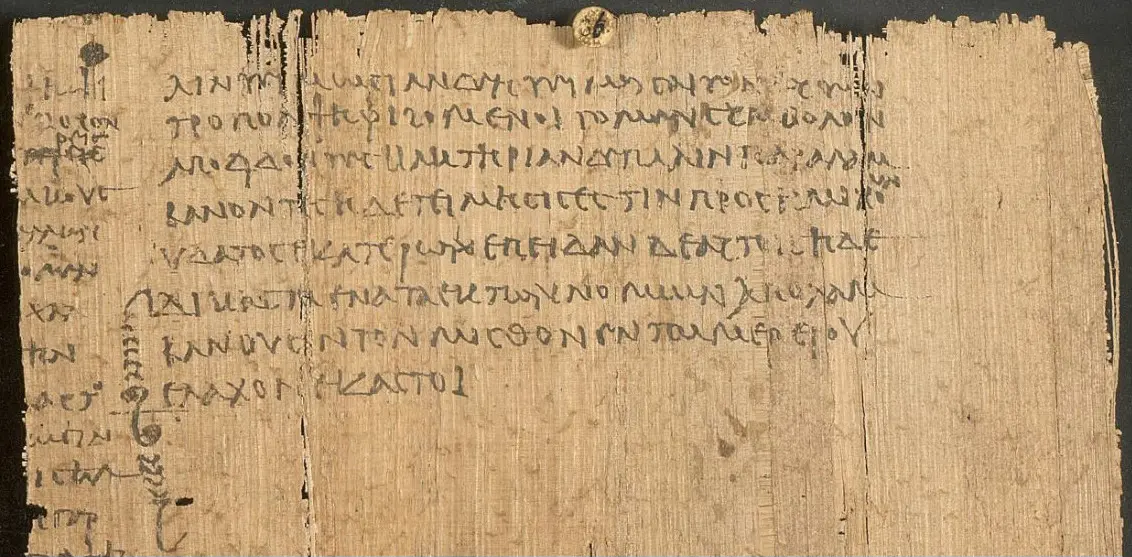
In 508 BC, following the overthrow of the tyrant Hippias, the statesman Cleisthenes established the foundations of Athenian democracy, transforming the political landscape of ancient Greece. Breaking the monopoly of the aristocratic elite, Cleisthenes reorganized citizens into ten new tribes based on geography rather than wealth, seamlessly integrating free male residents of Attica into a unified civic body.
Athenian democracy was a groundbreaking system of direct participation rather than modern representative government. The central democratic bodies included the Ecclesia (the sovereign assembly where citizens voted on legislation), the Boule (a council of 500 citizens chosen by lot to set the agenda), and the citizen-run courts. Although revolutionary, this "people power" was highly exclusive. Participation was strictly limited to adult, free male citizens who had completed military training—comprising at most 20-30% of the adult population—meaning women, slaves, and foreign residents (metics) were entirely excluded from the political process.